The Power of Antioxidants
What is Oxidative Stress?
Our body produces both antioxidants and free radicals as a natural part of metabolism. You could say antioxidants are the good guys and free radicals are the bad guys, however free radicals are not all bad, they play a role in helping our body fight off foreign invaders and are involved in cell growth regulation. However in a nutshell free radicals are unstable molecules that have an odd number of electrons, this makes them very reactive, and in order for them to become stable they need to steal electrons from other molecules in the body. When free radicals outnumber antioxidants this leads to what is known as oxidative stress, this can cause cell and tissue damage down to the level of DNA and is associated with accelerated aging and diseases such as Atherosclerosis, Diabetes, Cancer, Alzheimer's, and inflammatory conditions.
In addition to our internal production of antioxidants we can also obtain them through food and supplements, but unfortunately poor lifestyle choices and harmful substance also upregulate the production of free radicals. Pesticides, air pollutants, tobacco smoke, alcohol, lack of exercise or extreme exercise, long-term stress, lack of sleep and poor diet are all known to have this effect.
It is impossible to completely avoid all of these factors, but where we can we should try to minimise them as much as possible. This is where the importance of antioxidant rich foods come into their own, but sadly in practice I often find that people just aren't getting enough of them in their diet.
Foods Rich in Antioxidants
Many foods are rich in antioxidants, such a fruits, vegetables, nuts, seeds and whole grains but some have a higher content of than others, here are my go to choices.
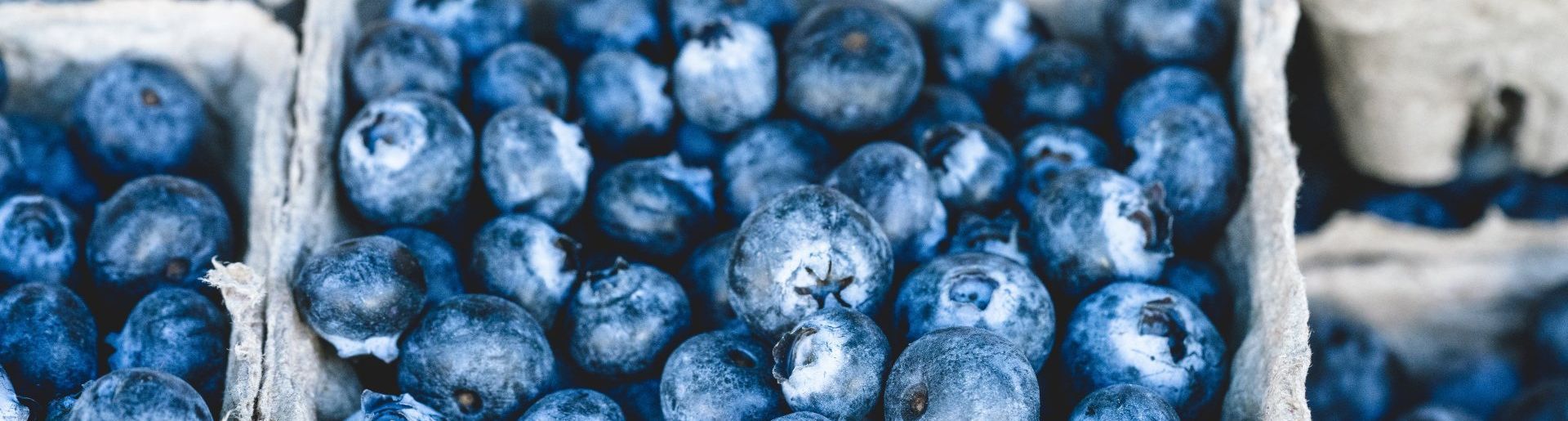
Vitamin C Rich Foods: Berries, Kale, Broccoli, Cauliflower, Kiwi, Orange, Brussel sprouts, Red bell peppers
Vitamin E Rich Foods: Hazelnut, Almonds, Wheat germ, Extra virgin olive oil, Avocado, Oats
Chlorophyll Rich foods: Kale, Spinach, Broccoli, Wheat grass, Spirulina, Chlorella, Alfalpha sprouts, Matcha green tea.
Selenium Rich Foods: Brazil nuts, Garlic, Broccoli, Sea food, Shiitake mushrooms, Banana, Whole grains.
Polyphenol Rich Foods: Dark chocolate, Extra virgin olive oil, Berries, Green tea, Organic coffee, Turmeric, Broccoli, Flaxseeds, Beans, Garlic
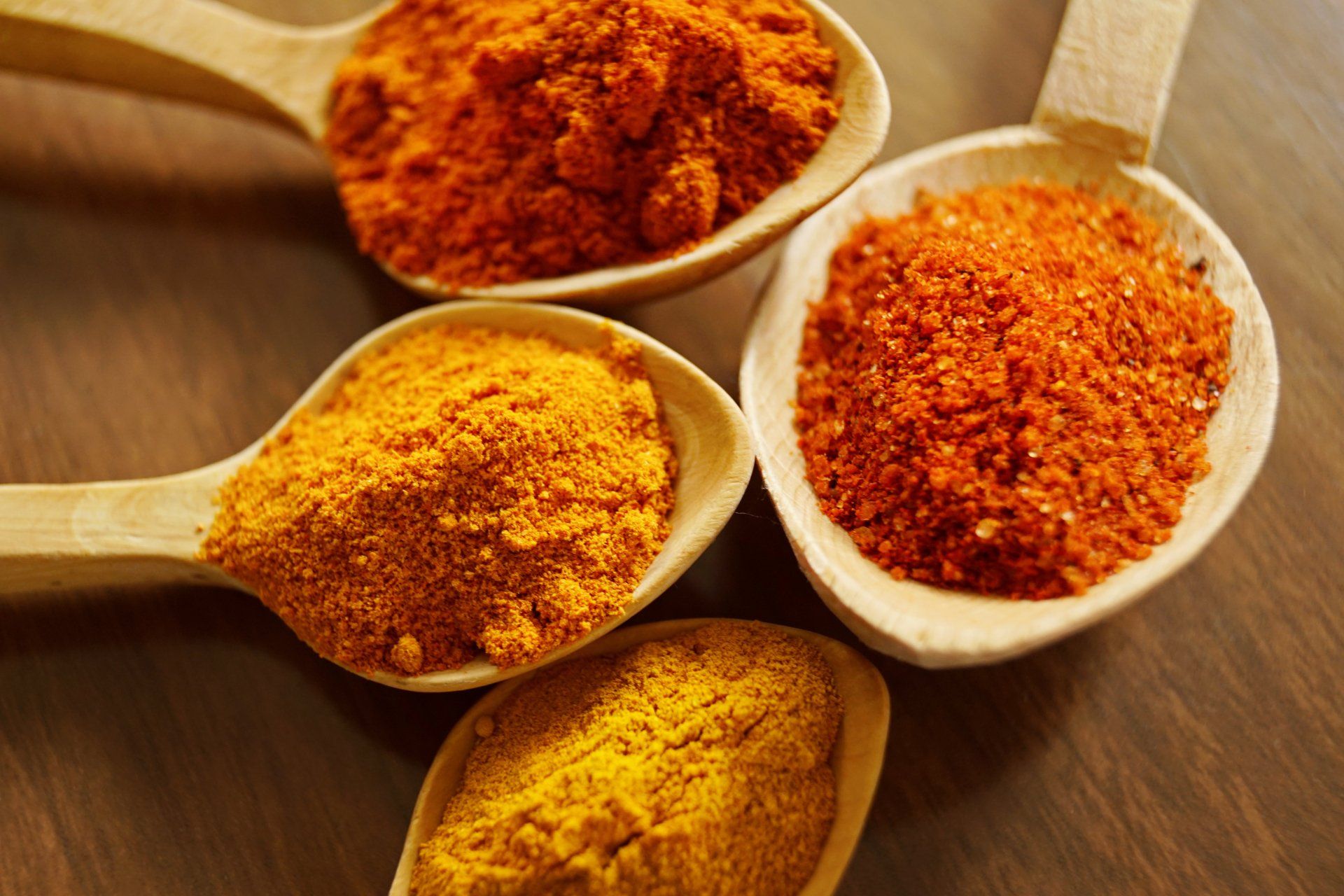
Herbs and Spices: Turmeric, Cinnamon, Cloves, Garlic, Ginger
Super Foods
There is a way of measuring the antioxidant capacity of food, this is called the ORAC score (Oxygen Radical Absorbance Capacity). When a food has a high ORAC score it is often referred to as a super food! However a super food is also packed with minerals, vitamins, phytonutrients, enzymes and essential fatty acids. Below are just some of the foods that posses these qualities, here are some great versatile choices to add into your diet.
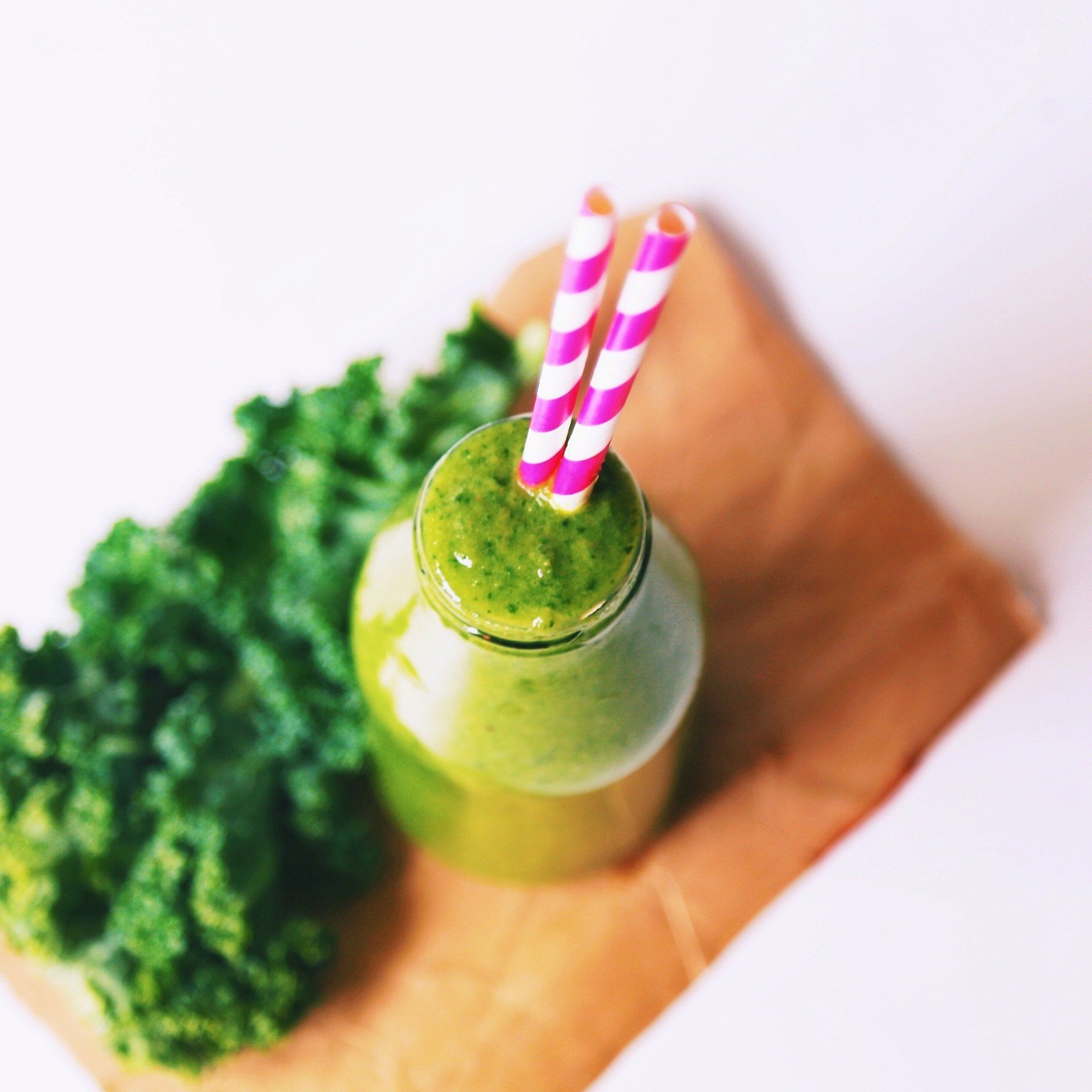
Microalgae: Spirulina and Chlorella. You can obtain these in a supplement or a powder form which you can simply add to food. The powder works well a juice or a smoothie. Microalgae is rich in chlorophyll, iron and protein and posses anti-inflammatory properties, they are also a great support for detoxification pathways and the immune system.
Broccoli Sprouts: All sprouts are nutritionally rich but for me broccoli sprouts stand out from the bunch. Broccoli sprouts are abundant in two highly therapeutic compounds, sulforaphane and I3C (Indole 3 carbinol). Both compounds support liver detoxification and the deactivation of oestrogen, they are anti-inflammatory and anticarcinogenic. Sprouts are very easy to use, simply add to salads, a sandwich or as a garnish for a delicious soup. Most supermarkets sell broccoli sprouts, but if you feel adventurous you can buy the seeds and try sprouting your own!
Garlic: I don't know many people who don't like garlic. Its beneficial effects are mainly due to a therapeutic compound called allicin. Crushing, chopping or smashing the garlic releases an enzyme called alliinase which converts alliin to allicin. Cooking can diminish this compound so add it to your food at the end of cooking rather than at the beginning, or simply crush and mix with some extra virgin olive oil and drizzle over cooked fish, meat, steamed vegetables or salad. It is antimicrobial, antifungal, antibacterial, antiviral, antihypertensive and antiparasitic! Enough said.
Pomegranate: This versatile fruit is rich in the phytonutrients ellagitannins, punicic acid and anthocyanidins all of which exert antioxidant and anti-inflammatory effects. Pomegranates can be juiced, added to smoothies, or the seeds can be sprinkled on porridge, chia puddings or salads.
Black Chia Seeds: These little seeds are a great source of Alpha linolenic acid (a type of omega 3 fatty acid) which make them a good choice if following an anti-inflammatory diet. They are rich in soluble and insoluble fibre and are a high of plant based protein. When soaked or cooked chia seeds swell and produce a mucilage that can help soothe the gut and aid constipation. They are rich in antioxidants, primarily from tocopherols and phenolic compounds. Chia seeds can be sprinkled on porridge, yoghurt and cereal, or soaked in milk, water or juice to make chia puddings.
Green Tea:
Anyone who knows me will know I am obsessed with green tea! Although the taste can be a little bitter it packs a huge nutritional punch! It is abundant in epigallocatechin-3-gallate (EGCG) which has major antioxidant properties, in fact this catechin has been associated with improved cardiovascular health, anticancer effects, and even enhancing weight loss. As an extra bonus green tea is also rich in the amino acid L-theanine which has calming and stress reducing effects.
Key Takeaways
Reduce the toxic load: Limit alcohol, quit smoking, wash all your fruit and vegetables and go organic where you can, seek out natural hygiene, beauty and household products, avoid ultra processed foods and aim to follow a whole food diet with plenty of plant based foods, avoid trans fats and high sugar foods.
Eat a diet rich in plant based foods:
Antioxidants are found in plant foods, so increase your intake of fruits, vegetables, whole grains, beans and legumes. Add superfoods into your diet where you can. Salads, smoothies, juices and soups pack a punch because you can add lots of plant based foods into one serving!
Keep active: Exercise regularly, aim for 4 times a week. Allow yourself recovery time for your body to heal and repair. Be mindful of over exercising or intense exercise without adequate recovery time.
Manage your stress levels: Wellness therapies like acupuncture, reflexology and massage are a great way to lower stress levels, as are practices like yoga, qigong, meditation and breath work.
Prioritise sleep: Get into a good sleep routine, eat at least 2 hours before bed, minimise exposure to blue light devices like computers and iPads before sleep, aim for 7-8 hours sleep a night.
If you like this blog follow me on Instagram for more health and wellness tips:
References:
Carlson, M. H. Halvorsen, B. L. Holte, K.et al. (2010). 'The total antioxidant content of more than 3100 foods, beverages, spices, herbs and supplements used worldwide',Nutrition Journal.9 (3).
Ciudad-Mulero, M. Dominguez, L. Morales, P.et al.(2023). 'A Review of Foods of Plant Origin as Sources of Vitamins with Proven Activity in Oxidative Stress Prevention according to EFSA Scientific Evidence',Molecules. 28 (21):7269.
Jakubczyk, K. Dec, K. Kaldunska, J.et al. (2020). 'Reactive oxygen species - sources, functions, oxidative stress',Polish Medical Journal.48 (284). pp.124-127.
Hodges, R. E. & Minich, D. M. (2015). 'Modulation of Metabolic Detoxification Pathways using Foods and Food Derived Components: A Scientific Review with Clinical Application',Journal of Nutrition and Metabolism. 760689.
Janciauskiene, S. (2020). 'The Beneficial Effects of Antioxidants in Health and Disease', Journal of COPD Foundation.7 (3). pp. 182-202.
Kikuchi, M. Ushida, Y. Shiozawa, H.et al. (2015). 'Sulforaphane-rich broccoli sprout extract improves hepatic abnormalities in male subjects',World Journal of Gastroenterology.21 (43). 12457-12467.
Pizzino, G. Irerra, N. Cucinotta, M.et al.(2017). 'Oxidative Stress: Harms and Benefits for Human Health',Oxidative Medicine and Cellular Longevity.8416763.