3 Nutritious Breakfasts
1. Porridge boost
1/4 cup oats, I use Nairn's gluten free oats
1 handful of chia seeds
1 handful (organic if possible) blueberries
1 tbsp nut butter (or 1/2 tbsp depending how nutty you like it). I use Meridian crunchy almond butter
1 cup of plant-based milk or water
This breakfast will keep you going through to lunch without the need to snack, why? This is because oats are a good source of complex carbohydrates which release sugars slowly in comparison to processed cereals, therefore you are unlikely to get energy dips or sugar cravings between meals. Oats are also high in soluble fibre (Beta Glucan), supporting healthy digestion and regular bowel movements. Blueberries are rich in antioxidants, including vitamin C and make up 1 of your 5 a day, or in my opinion 1 of your 8 a day! Nut butter is a great source of protein and healthy fats, and chia seeds are also a good source of protein, omega 3 fatty acids and fibre. Oh, and this breakfast taste delicious!
Method
Put the oats, chia seeds and water or milk into a saucepan and gently bring to the boil, then allow to simmer for 5 minutes stirring and adding more liquid if needed.
Once the porridge has got to your desired consistency add the blueberries and stir through simmering for another 1-2 minutes until the purple colour of the blueberries starts to leak into the porridge.
Take off the heat and add the nut butter, stir through well to combine. This shouldn't be too thick or stodgy, if it is you needed to add more liquid whilst cooking.
Eggs and Avocado with a twist
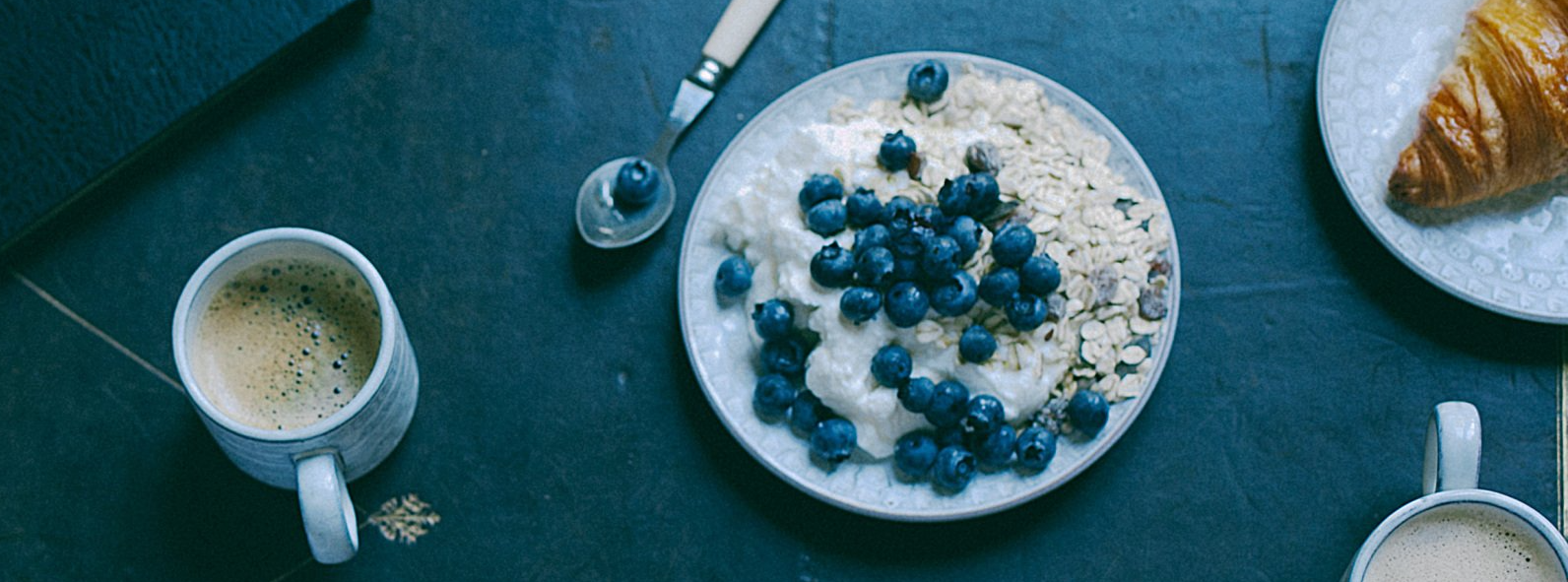
1 egg
1 ripe avocado
handful of coriander leaves
handful of spinach
Juice of a freshly squeezed lemon
2 pinches of cayenne pepper
1 slice of wholegrain bread or gluten free bread (I use Schar Wholesome seeded loaf)
This is another nice option for an autumn or winters morning as it is warming and comforting. Eggs are a great source of protein, fantastic for a pre workout breakfast, they contain all the essential amino acids and are highly nutritious, rich in B vitamins and vitamin D. Coriander is one of my favourite herbs rich in immune boosting antioxidants and it is so easy to add to foods, I use it all the time in curries, salads, fish dishes and breakfast! In eastern medicine the warming properties of spicey peppers are thought to increase the digestive fire and stimulate metabolism but if you are not a fan of spice then simply leave it out. The addition of lemon juice is a great way to get a dose of vitamin C to start the day as well as improving iron absorption in the gut, spinach is rich in non-haem iron and is a great source of fibre. This breakfast is an all-round winner!
Method
scoop out the avocado and put into a food processor with the coriander, lemon juice, spinach and cayenne pepper, blend until smooth. You will see the herbs and spinach, but it should just be a nice smooth consistency, if it's a little thick I sometimes add a drizzle of extra virgin olive oil. For the egg or eggs if you are having 2, cook however you like, I usually opt for scrambled or poached. Once your toast is ready spread the avocado over the toast (if there is extra put on the side of the plate) and put the egg on top, give it a sprinkle of black pepper and you are good to go!
Salmon and Vegetable wrap
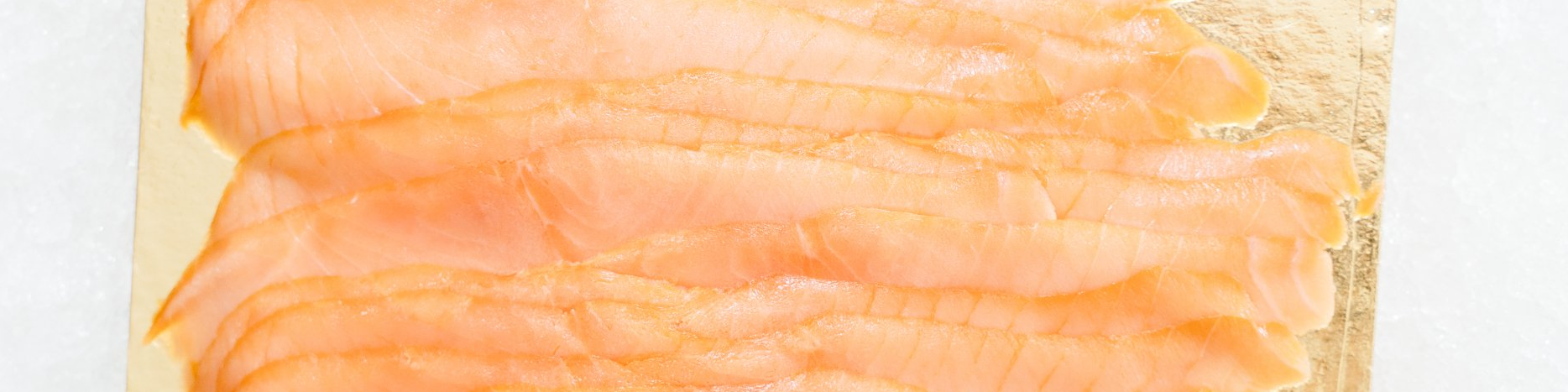
2 slices of smoked salmon roughly chopped
1/2 a red pepper finely sliced into thin strips
1 handful of spinach leaves finely chopped
A sprinkle of baby capers
Cream cheese
a squeeze of 1/2 a lemon
1 wholemeal wrap or gluten free wrap
Salmon is an oily fish along with mackerel, anchovies, sardines and herring. Oily fish are rich in omega 3 fatty acids specifically EPA and DHA. They are essential to our diet and can only be obtained from food, we do not produce them naturally. They are anti-inflammatory and play an important role in joint health, cardiovascular health and contribute to healthy skin and hair. Red peppers are one of the highest sources of vitamin C, a cup of red pepper contains over twice as much vitamin C than an orange! Vitamin C is one of the most powerful antioxidants this means it helps to protect our cells from damage, it is also needed for collagen synthesis and iron absorption.
Method
lay the wrap out flat and spread a thin layer of cream cheese over the surface of the wrap. Then at one end start to layer the ingredients. I usually put the smoked salmon down first, then the peppers, followed by the spinach and capers and then a squeeze of lemon before rolling up the wrap. I chop off the loose bits at the end and then cut in half. It's so easy and is a great start to the day.
Foods supports the body naturally; it is not medicine and should never be seen as a replacement for medications. If you are seeking to improve your diet and learn more about the therapeutic applications of herbs, foods and supplements please consult a qualified naturopath/ herbalist/ nutritionist. Please be aware of any allergies you may have and check ingredients thoroughly before consuming. These recipes contain EGGS, CHEESE, NUTS and GLUTEN (unless opting for a gluten free replacement).