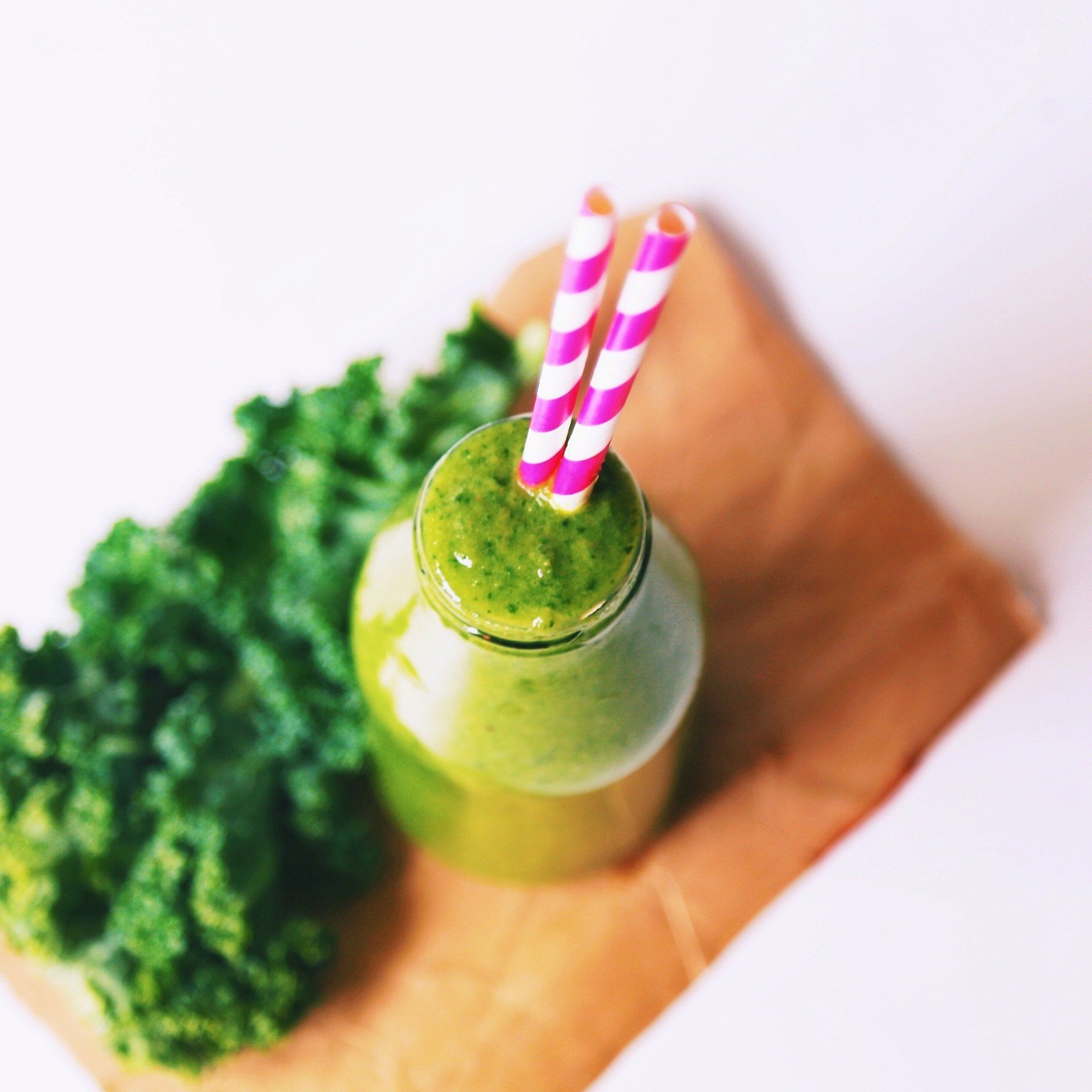
Apple and Cinnamon Smoothie

Shelley Osborne-shaw • September 3, 2021

Recipe


 1 whole apple chopped

1 small banana

large handful of spinach

1 cup of almond or oat milk (or desired amount)

2 heaped tsp of milled nuts and seeds

1/4 tsp cinnamon

1/2 tsp turmeric

Handful of ice

Dash of honey


Pop all of the above into a blender/smoothie maker or even better a vitamix (my best friend) and blend until smooth.
Smoothie Goodness

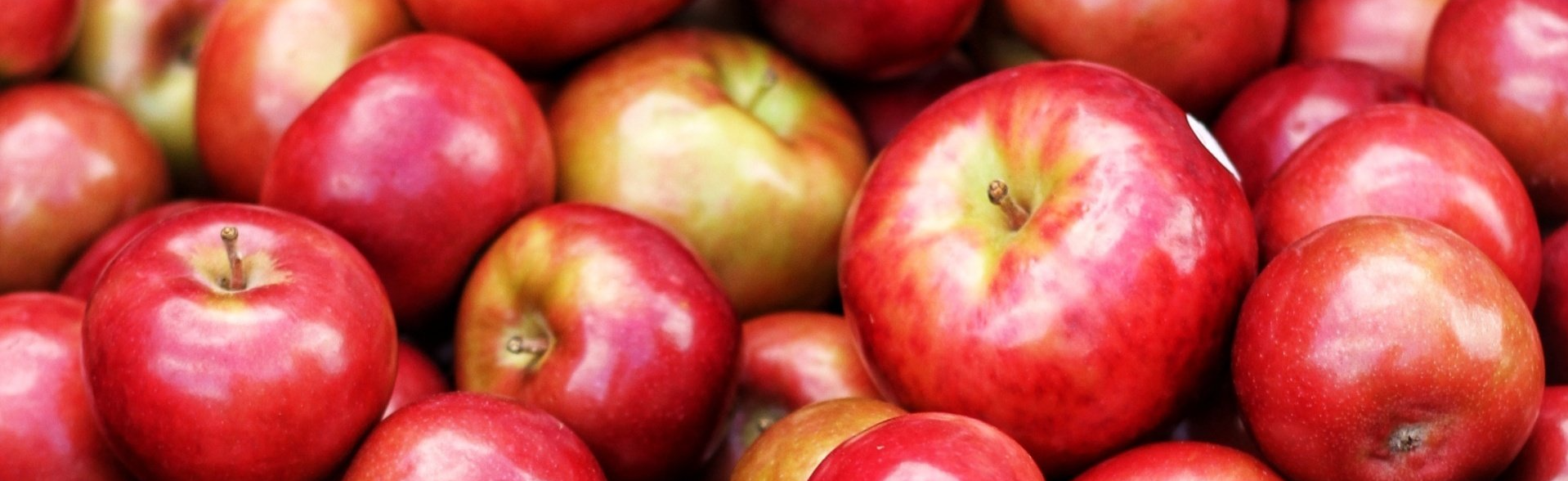
Apples are a great source of soluble and insoluble fibre helping with efficient bowel transit and elimination of toxins. They are also bursting with vitamins and minerals such as vitamin A, C, E and K as well as B vitamins, magnesium calcium and iron. Apples are high in quercetin a phytonutrient (plant chemical) found in the red/green skin of fruit.  Quercetin is an antioxidant meaning it protects against free radical damage, and has anti-inflammatory and antiallergic properties.

Turmeric has been extensively researched and is well known for its anti inflammatory properties, it is often used as a natural support to help     

   manage arthritic pain.     

Cinnamon is a warming herb often added to hot drinks and porridge. In Chinese medicine it's hot but sweet flavour is seen to resonate                energetically with the heart, spleen and pancreas, this is reflected in its associated benefits for weak digestion, poor circulation and blood sugar regulation.

Spinach is abundant in magnesium (the chill mineral) aiding sleep, muscle relaxation and high stress. it is also high in B vitamins essential for      energy production in the body and is a good source of non haem iron, facilitating red blood cell production.

References:


Davis, A. P. Yokoyama, W. (2011). 'Cinnamon Intake Lowers Fasting Blood Glucose: Meta Analysis', Journal of Medicinal Food, 14 (9).


Heidari-Beni, M. Moravejolahkami, A. R. Gorgian, P. et al. (2020). 'Herbal formulation "turmeric extract, black pepper, and ginger" versus Naproxen for chronic knee osteoarthritis: A randomized, double-blind, controlled clinical trial', Phytotherapy Research 34 (8), pp. 2067-2073.


Ranasinghe, P. Pigera, S. Premakumara, G. A. S. et al. (2013). 'Medicinal properties of 'true' cinnamon (Cinnamomum zeylanicum): a systematic review', BMC Complementary Medicine and Therapies, 13 (275). 


Solomon, T.P.J., Blannin, A.K. (2009). 'Changes in glucose tolerance and insulin sensitivity following 2 weeks of daily cinnamon ingestion in healthy humans', Eur J Appl Physiol, 105, 969.


End Note:

Foods should never be seen as a replacement for medications if you are seeking to improve your diet and learn more about the therapeutic applications of herbs and foods please consult a qualified naturopath/ herbalist/ nutritionist. Please check the recipe for any allergies you may have. This recipe contains Nuts and Honey


By Shelley Osborne-Shaw September 1, 2025
Vitamin D Nine years ago, I discovered just how important vitamin D is when I learned that I was clinically deficient. At the time, I was struggling with joint pain, extreme fatigue, low mood and bowel inflammation. As a natural healthcare practitioner, I had always supported my body through diet, herbs, and therapies, but following the birth of my second child, my recovery wasn’t as strong as I expected. Wanting to understand what was happening, I gave myself a full health MOT with the support of both my naturopath and my GP. One of the key findings was my low vitamin D status. My results came back at around 20 ng/ml , which is considered clinically deficient. There’s some debate between functional and conventional medicine about what counts as ‘optimal’ vitamin D levels. Most agree that anything between 30–100 ng/ml is considered adequate, but being just inside the normal range doesn’t always mean your body has enough to function at its best. What I learned from my own experience is that testing your levels is so important and can guide your supplement dose. If you are experiencing any of the below symptoms seek appropriate medical care but also consider checking your vitamin D levels. Fatigue Muscle aches and pains Bone pain Low mood Inflammation Gut issues Slow wound healing Vitamin D & your health Vitamin D is a fat‑soluble vitamin that supports many vital functions in the body. Ideally, we obtain most of our vitamin D from the sun and small amounts from food. When UV rays reach the skin, they react with a type of cholesterol to create cholecalciferol, the precursor to the active form of vitamin D known as calcitriol. The problem is when you live in the northern hemisphere it can be challenging to get the amount of sun exposure we need especially with the long dark winters and use of sunscreens in the summer. How much sunlight do we need? Anywhere between 10–30 minutes of direct sunlight exposure without sunscreen is generally enough to meet daily vitamin D needs, depending on your skin type: Fairer skin types: shorter exposure is sufficient. Darker skin types: l onger exposure may be needed, as higher levels of melanin reduce UV absorption and vitamin D synthesis. Why is Vitamin D important? Vitamin D works in many parts of the body. Its receptors are found in a wide range of cells and help control the activity of hundreds of genes, influencing everything from bone strength to immune function.” Vitamin D facilitates the absorption of calcium in the intestines important for bone health, mineralization and growth. It supports our immune system by modulating T-helper cells and cytokines as well as stimulating antimicrobial peptides. Research also supports that it can decrease the number of T-cells in autoimmune disease. It is important for gut health as it has a regulatory effect on intestinal bacteria. It has been linked with cancer prevention due to its modulating effect on genes responsible for cell growth, proliferation and apoptosis. Research has shown that vitamin D plays an important role in brain health and emotional wellbeing. Vitamin D receptors are found in areas of the brain involved in mood regulation, and low levels have been linked to symptoms such as sadness, fatigue, and even clinical depression. While the relationship is complex and not fully understood, studies suggest that deficiency may contribute to low mood, and restoring healthy levels can support overall mental health.
By Shelley Osborne-Shaw September 27, 2024
Find out what antioxidants are and why they are important.
By Shelley Osborne-shaw February 6, 2024
Kick start your morning with this energising smoothie!